“planting system” search results (2000)

Establishment of Coffee quality Inspection system in Yunnan
On March 26, in Yunnan Province, the largest coffee producing area in China, local coffee companies are registering coffee bases in an attempt to establish a quality traceability system. Scan the bar code to find out the planting area, altitude, grower, primary processing plant of each cup of coffee. It is understood that this is also an important measure for Yunnan to promote the fine cultivation of coffee and create boutique coffee. Located in the west of China
2015-09-02 Establish Yunnan coffee quality inspection system
The planting system of Ethiopian coffee is roughly divided into four types.
The planting system of Ethiopian coffee is roughly divided into four categories: 1) primeval forest coffee (Forest Coffee:8-10%) 2) semi-virgin forest coffee (Semi-forest Coffee: 30-35%) 3) Manor coffee (Garden/Cottage: 50% mae 55%) 4) Enterprise coffee cultivation (Plantation Coffee: 5-6%) specifically: primeval forest coffee belongs to the category
2014-08-13 Coffee knowledge Ethiopia coffee cultivation planting system
The concept of Probat factory introduced to the production technology of coffee roasting plant (part two)
Flameless combustion facilities of cooked bean processing system have been paid more and more attention with the environmental protection of various countries, which requires not only to filter out silver skin and other impurities, but also to deal with the exhaust produced in the process of baking and grinding. Carbon compounds (Cx), carbon monoxide (CO) and carbon dioxide (CO) are mainly released in the baking process, while carbon dioxide is released in the grinding process.
2015-12-03 Coffee roasting factory production technology introduction Probat concept second part
Yunnan will establish a product quality traceability system for coffee
Recently, in Yunnan Province, China's largest coffee producing area, local coffee companies are "registered permanent residence" for coffee bases in an attempt to establish a traceability system for product quality. by scanning the bar code, you can find out the planting area, altitude, grower, primary processing factory and so on of each cup of coffee.
2014-05-27 Coffee News Yunnan Coffee Chinese Coffee
Requirements for Inspection and Quarantine record of Coffee planting Base (Yunnan)
1. Base basic conditions and requirements 1.1 continuous and have a certain scale, the area should not be less than 100 mu. 1.2 there shall be a natural or artificial effective isolation zone around the base. 1.3 No pollution sources around the base, such as chemical plants, paper mills, professional feeding
2014-07-09 Coffee planting coffee planting base coffee inspection
The coffee industry in Yunnan is developing rapidly and exploring the establishment of a quality traceability system.
Yunnan is the only coffee producing area in China, with unique climate and changeable geographical environment, growing multi-level coffee, which can be regarded as unique among the coffee producing areas in the world.
2014-05-27 Coffee News Yunnan Coffee Chinese Coffee
Four forms of growth and production of Ethiopian Coffee in Coffee producing area
Growth and production patterns: there are four growth production patterns in Ethiopia, and 95% of coffee is produced from these types or systems. 1. Forest grows in southern and southwestern Ethiopia, mostly wild or under natural forests. It provides natural shade for coffee trees, but the resistance is slightly weak. This production system accounts for about
2015-04-15 Coffee beans origin Yisuo Biya coffee growth production 4 species morphology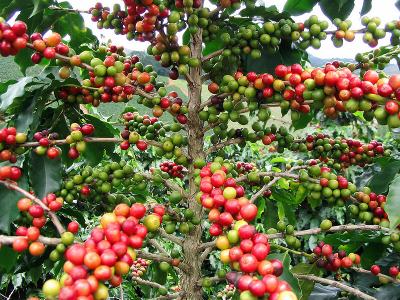
Fine coffee beans: 4 forms of Ethiopian coffee growing and producing
Growth and production patterns: There are four growth and production patterns in Ethiopia, from which 95% of coffee is produced. 1. Forest In Ethiopia's coffee-producing areas in the south and south-west, most of them are wild or planted under natural forests, which provide natural shade for coffee trees, but the resistance is slightly weak. This production system accounts for about
2015-12-07 boutique coffee beans esoteric bea coffee growing production 4 species morphology
Introduction to the characteristic flavor of four forms of Ethiopian coffee beans grown and produced in Ethiopia coffee
Growth and production patterns: there are four growth production patterns in Ethiopia, and 95% of coffee is produced from these types or systems. 1. Forest grows in southern and southwestern Ethiopia, mostly wild or under natural forests. It provides natural shade for coffee trees, but the resistance is slightly weak. This production system accounts for about
2016-01-23 Esso Biya coffee growth production 4 species morphology Ethiopia coffee beans
Introduction to the planting environment of aromatic and rich Kenyan coffee flavor
Kenya maintains a presidential system of government. Since independence, the Kenyan League has been in power for a long time. After changing to a multi-party system in 1991, the Kenyan League won two consecutive multi-party elections in 1992 and 1997, and Moi was re-elected president. In the third multi-party general election held in December 2002, the opposition coalition National Rainbow Alliance (all League) defeated the Kenya League, Kibaki was elected president, and the League won a majority of seats in parliament. 2007 1
2016-08-17 Aromatic full-bodied Kenya coffee flavor taste planting environment producing area introduction
Four forms of growth and production of Ethiopian Coffee
Growth and production patterns: There are four growth production patterns in Ethiopia, and 95% of coffee is produced from these types or systems.
2014-08-22 Coffee knowledge Ethiopian coffee beans coffee encyclopedia coffee tree growth
Coffee classification system
Special classification system of coffee: 1. Subgenus Coffea: 2. Malagasy coffee subgenus: 3. Subgenus Pala Coffee: 4. Age coffee subgenus: a, red coffee group: B, thick-skinned coffee group: C, Mozambican coffee group: d, black fruit coffee group E, dwarf coffee group: red fruit coffee group: a) Arabica species: Tibica varieties: (Tp)
2014-06-25 Coffee knowledge coffee classification coffee encyclopedia
Detailed analysis of forest and semi-forest system of four major cultivation systems of Ethiopian coffee
Forest coffee (Forest Coffee): wild coffee, which accounts for 10% of Ethiopia's national output, is distributed in the wild coffee forest areas of the west and southwest, also known as the Kafa forest. The dense trees here provide the most natural shade for coffee trees and do not need manual care. Mother Earth is in charge of birth, aging, sickness and death, and coffee farmers can go directly to the woodland to harvest. Hansen
2015-04-01 Ethiopia Coffee Big four cultivation system detail Analysis Forest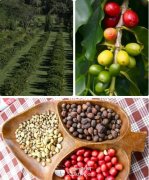
Coffee Common sense Coffee Special Classification system
Special classification system of coffee: 1. Subgenus Coffea: 2. Malagasy coffee subgenus: 3. Subgenus Pala Coffee: 4. Age coffee subgenus: a, red coffee group: B, thick-skinned coffee group: C, Mozambican coffee group: d, black fruit coffee group E, dwarf coffee group: red fruit coffee group: a) Arabica species: Tibica varieties: (Tp)
2014-09-15 Coffee knowledge coffee common sense coffee classification
Probat Factory Concept (Part 1)
PROBAT is constantly innovating in the development and manufacture of coffee roasting equipment and roasting plant technology. This is inextricably linked to PROBAT's goal of keeping every coffee bean in peak condition. PROBAT is committed to developing and manufacturing coffee roasting equipment and roasting plant technology.
2015-12-03 Coffee Roasting Factory Production Technology Introduction Probat Concept Part 1
Four cultivation systems of Ethiopian coffee
Ethiopia is located between three and fourteen degrees north latitude, and the planting area of coffee trees is nearly 600000 hectares. There are two rainy seasons a year in the south and east of the country, while there is only one rainy season in the west. The distribution of the rainy season is different, so coffee is harvested in Ethiopia all the year round. Coffee grows between 550 and 2750 meters above sea level. The soils in the west and south belong to volcanic rocks and are rich in minerals.
2015-04-01 Ethiopia coffee big four cultivation system located in north latitude
Four cultivation systems of Ethiopian coffee
Ethiopia is located between three and fourteen degrees north latitude, and the planting area of coffee trees is nearly 600000 hectares. There are two rainy seasons a year in the south and east of the country, while there is only one rainy season in the west. The distribution of the rainy season is different, so coffee is harvested in Ethiopia all the year round. Coffee grows between 550 and 2750 meters above sea level. The soils in the west and south belong to volcanic rocks and are rich in minerals.
2015-10-22 Ethiopia coffee big four cultivation system located in north latitude
Detailed Analysis of four cultivation Systems of Coffee in Ethiopia
Forest coffee (Forest Coffee): wild coffee, which accounts for 10% of Ethiopia's national output, is distributed in the wild coffee forest areas of the west and southwest, also known as the Kafa forest. The dense trees here provide the most natural shade for coffee trees and do not need manual care. Mother Earth is in charge of birth, aging, sickness and death, and coffee farmers can go directly to the woodland to harvest. Hansen
2015-02-12 Ethiopia Coffee four cultivation system detail Analysis Forest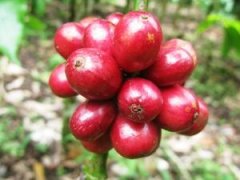
Detailed Analysis of four cultivation Systems of Coffee in Ethiopia
Forest coffee (Forest Coffee): wild coffee, which accounts for 10% of Ethiopia's national output, is distributed in the wild coffee forest areas of the west and southwest, also known as the Kafa forest. The dense trees here provide the most natural shade for coffee trees and do not need manual care. Mother Earth is in charge of birth, aging, sickness and death, and coffee farmers can go directly to the woodland to harvest. Hansen
2015-10-22 Ethiopia Coffee four cultivation system detail Analysis Forest
General knowledge of Coffee in four cultivation Systems of Ethiopian Coffee
Ethiopia is located between three and fourteen degrees north latitude, and the planting area of coffee trees is nearly 600000 hectares. There are two rainy seasons a year in the south and east of the country, while there is only one rainy season in the west. The distribution of the rainy season is different, so coffee is harvested in Ethiopia all the year round. Coffee grows between 550 and 2750 meters above sea level. The soils in the west and south belong to volcanic rocks and are rich in minerals.
2015-02-11 Ethiopia Coffee Big four cultivation system Common sense located in